Navratri 2026 began on October 11, but the festival’s first big internet moment showed up a few days early. A humanoid robot, moving to traditional Garba beats at a pre-Navratri event in Mumbai, has been making the rounds on social media, and the internet has already given it a name: Robotbhai Garbawale.
It’s a ten-second kind of clip with a surprisingly long tail of conversation. Here’s what’s actually known about the video, why it landed so well, and what creators and brands can reasonably take from it.
What We Know About The Video
The clip was shared on Instagram by creator Prashant Chosaliya. It shows a humanoid robot performing Garba steps at a pre-Navratri gathering in Mumbai, and it was picked up by several outlets within days, including LatestLY, Kalinga TV and AltBollywood. Coverage describes the robot’s movements as well coordinated with the music, which is a big part of why the video didn’t read as a throwaway gimmick.
Video Credit- Prashant Chosaliya Insta
Viewers reacted the way viewers usually do when something unexpected meets something deeply familiar. One comment summed up the mood in a few words, saying the culture is so strong that even a robot can’t resist it. Another person wanted to know how the robot would handle dandiya, which is probably the most natural sequel request anyone could make.
There is also a lot that hasn’t been confirmed, and it’s worth being upfront about that. None of the coverage we found names the robot’s make or model, the specific event or venue, or the people operating it. It’s also unclear whether the dance was pre-programmed or controlled live. No outlet has reported view counts for the original post either, so we’re not going to guess at numbers. If any of those details come out, this is the kind of story that gets a useful update.
Why It Landed So Fast
This section is analysis rather than reporting, but a few things stand out.
First, the contrast. Garba is communal, loud, physical and very human. Putting a machine in the middle of that circle creates an instant “wait, what?” reaction, and that reaction is exactly what makes people send a video to a group chat.
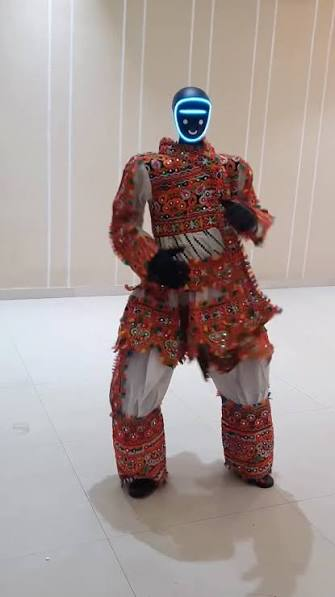
Second, the nickname. “Robotbhai” gives the machine a personality and a slightly affectionate, Mumbai-flavoured identity. Nobody shares “humanoid robot performs folk dance,” but plenty of people will share a character they can quote and tag friends in. The name also gave journalists and viewers a searchable handle, which helps a clip travel beyond its first audience.
Third, the timing. The video surfaced right before Navratri, when people are already thinking about Garba, practising steps and planning outfits. A festive clip posted at that moment rides interest that already exists instead of trying to create it.
Garba Has Always Absorbed New Things
It would be easy to frame this as technology crashing into tradition, but Garba has a long history of taking in new influences. It’s a Gujarati folk dance that has spread across India and into diaspora communities, and modern Garba nights lean heavily on film music and contemporary remixes. UNESCO has also recognised it as part of the world’s intangible cultural heritage, which says something about how widely it’s valued.
Mumbai’s current Navratri calendar shows the same blend. City guides list everything from residential celebrations and community mandals to large commercial events, with well-known Garba names such as Falguni Pathak and Bhoomi Trivedi on the bill. Against that backdrop, a robot joining in is a novelty, not a threat. It’s fun precisely because the tradition is strong enough to take a joke.
What Creators Can Take From It
None of this requires owning a robot. The useful lessons are about format.
Lead with contrast. Two ideas that don’t normally share a frame, like tradition and technology, do a lot of the hook work for you before anyone reads a caption.
Give your subject a name. A nickname turns a one-off clip into something people can refer to, search for and remix.
Post ahead of the moment. Content shared just before a festival or event catches rising search and scroll interest, rather than competing with the peak.
Leave room for a sequel. The dandiya question in the comments is free content planning. Audiences often tell you what they want next if you read the replies.
For creators thinking about turning a viral moment into a repeatable format, our write-up on the Made On YouTube 2026 announcements covers new tools like Shorts Series that are built for exactly that kind of follow-up.
What Brands And Event Organisers Should Be Careful About
Festive seasons are crowded, and a novelty act is an easy way to stand out. But this clip worked partly because the robot was joining the celebration, not mocking or hijacking it. Brands tempted to copy the idea should keep that in mind. A stunt that feels forced, or that treats a religious festival as a backdrop for an ad, is likely to get a very different reaction from the same audience.
What To Watch Next
A few things would be worth tracking over the coming days. Whether the event organisers or the robot’s owners come forward with details. Whether a dandiya follow-up appears. And whether copycat videos start showing up in other cities, which usually signals whether a clip is a one-day joke or a small trend.
For now, Robotbhai Garbawale is a good reminder that the internet still rewards the simplest kind of surprise: something familiar, done by someone you didn’t expect, at exactly the right time of year.
FAQs
What is Robotbhai Garbawale and where did the video come from?
Robotbhai Garbawale refers to a humanoid robot that performed Garba at a pre-Navratri gathering in Mumbai, with the video circulating on social media after being shared by creator Prashant Chosaliya.
Why did the video spread so quickly and capture attention?
The video landed fast because it paired Garba’s familiar, communal energy with an unexpected machine performing it, creating a contrast that invites sharing, aided by the nickname Robotbhai which gave the clip a memorable identity.
What lessons can creators take from this moment?
Creators should lead with contrast between ideas that don’t normally share a frame, give the subject a name, post ahead of the moment to ride existing interest, and leave room for a potential sequel based on audience replies.
What should brands and event organisers consider before copying the idea?
Brands should ensure the novelty enhances the celebration rather than mocks or hijacks it; a stunt that feels forced or treats a festival as an ad backdrop is likely to provoke a negative reaction.
What signs should we watch for to determine if this is a one-off moment or a trend?
We should monitor upcoming details from event organisers or robot owners, look for a possible dandiya follow-up, and watch for copycat videos in other cities, which would indicate a broader, repeatable trend.