There are musicians who perform. And then there are artists who make you pause, breathe, and feel something ancient stir inside you. Rishabh Rikhiram Sharma belongs firmly in the second category.
At a time when scrolling has replaced stillness, he is bringing audiences back to silence through the timeless sound of the sitar.
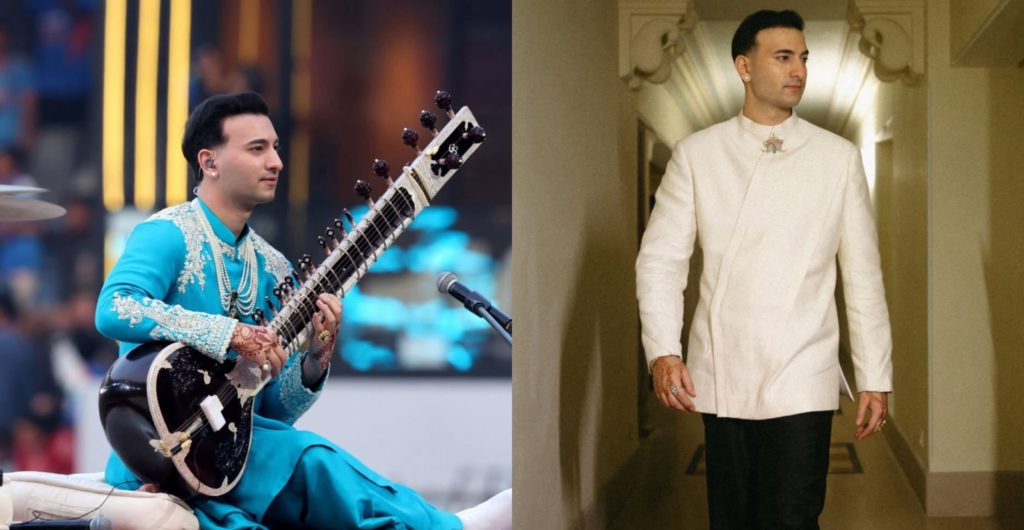
Rishabh Rikhiram Sharma: Born Into Legacy, Built With Discipline
Rishabh Rikhiram Sharma comes from the legendary Rikhi Ram Musical Instruments family, globally known for crafting instruments for maestros and even world leaders. Music was not a hobby in his home. It was heritage.
He trained under the guidance of the iconic Ravi Shankar, absorbing not just technique but philosophy. The result is a musician deeply rooted in classical tradition yet unafraid of contemporary expression.
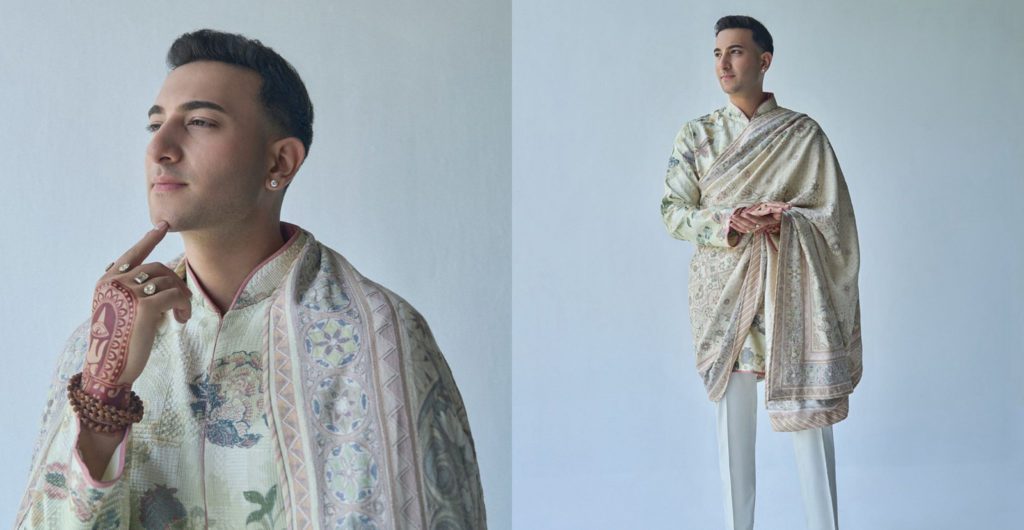
What Makes Rishabh A Classical Soul With A Contemporary Pulse?
What makes Rishabh stand out is not just technical brilliance. It is accessibility.
He performs traditional ragas with devotion, yet presents them in ways that resonate with younger audiences. Whether on global stages or intimate gatherings, his music feels meditative without being intimidating. In a world obsessed with speed, Rishabh creates slowness. In a culture of noise, he offers nuance.
Beyond concerts, Rishabh Rikhiram Sharma has positioned music as a form of emotional and mental wellness. His performances often focus on mindfulness, stillness, and inner balance. Audiences do not just attend his concerts. They experience them.
This approach has helped him build a loyal digital following where snippets of his sitar sessions travel far beyond traditional classical circles.
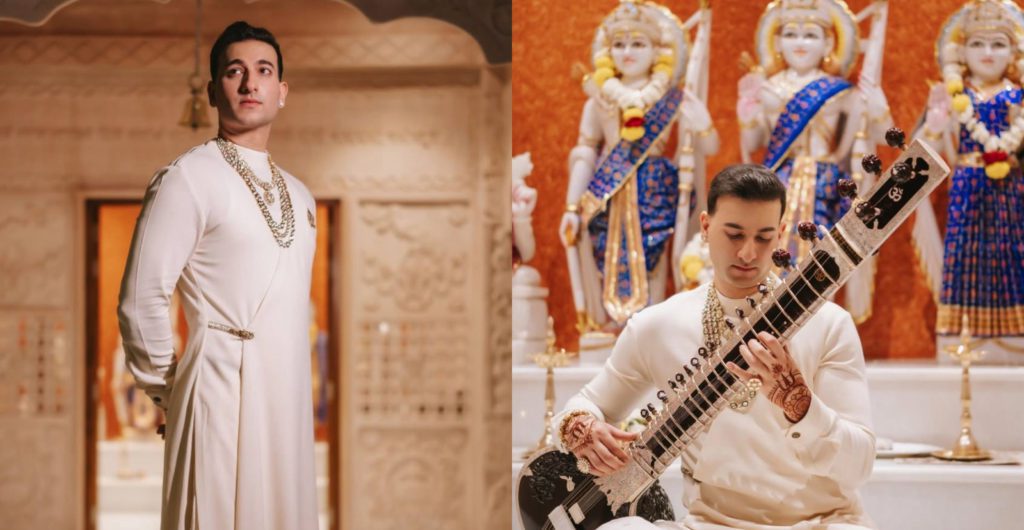
How Rishabh Uses Music As Therapy
From performing internationally to representing Indian classical music on global platforms, Rishabh carries tradition with quiet confidence. He does not dilute classical music to make it trendy. Instead, he makes it relatable without compromising its purity.
In an era where fusion dominates and authenticity sometimes fades, Rishabh represents something powerful. Continuity. He proves that classical music is not outdated. It simply needs a storyteller who understands both its depth and today’s audience.
So the real question is not whether he is talented. It is whether he might just be the bridge between generations that Indian classical music was waiting for.